Factory quality assessment is of great significance in improving product quality, ensuring production safety, reducing costs and waste, complying with regulations and standards, improving customer satisfaction and loyalty, and promoting supply chain management.
Factory quality assessment(FQA) includes the following aspects:
1. Material quality: High-quality materials are the basis for ensuring product durability and safety.
2. Manufacturing process: Excellent manufacturing process can ensure the consistency and accuracy of the product.
3. Performance testing: Through various performance tests, it can be verified whether the product meets the design requirements.
4. User feedback: The actual user experience is an important basis for evaluating product quality.
5.
Certification standards: Certification that meets international or national standards is a strong proof of product quality. In real estate projects, such as LEED green building certification, ISO quality management system certification, etc., are important indicators for measuring project quality.
6.
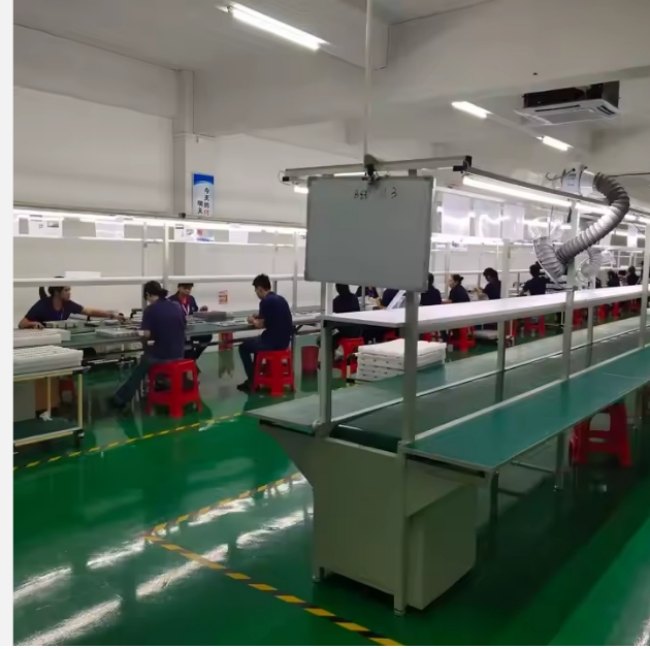
Production efficiency: Production efficiency is an important indicator for measuring the production capacity of a factory. A high-efficiency production line can not only increase output, but also reduce the production cost per unit product.
7.
Product quality: Product quality is the core of evaluating the production level of the factory, including the physical properties, durability, appearance and other aspects of the product. Through a strict quality control system, ensure that every product meets the predetermined standards.
8. Equipment maintenance: Good maintenance of equipment is the basis for ensuring production continuity and product quality. Regular maintenance and timely updating of equipment can reduce production interruptions and product defects.
9. Employee skills: The skill level of employees directly affects production quality and efficiency. Through continuous training and skill improvement, ensure that employees can operate equipment proficiently and deal with various problems in production.
10.
Quality management maturity: Quality management maturity is divided into four levels: inspection, assurance, prevention and perfection. Each level has different quality management methods and goals, such as Cpk (process capability index) evaluation, quality organization management, etc.
11.
Factory inspection type: Factory inspection is generally divided into human rights inspection and quality inspection. Human rights inspection focuses on labor standards and workers' living conditions;
quality inspection is based on
ISO9001 quality management system, evaluating production capacity, product quality, etc.
12. After-sales service and warranty: High-quality after-sales service and warranty policies reflect the company's confidence in product quality. When evaluating, you should understand the company's after-sales service system, warranty period and scope.
These aspects together constitute a complete system for
factory quality assessment, ensuring that the factory meets high standards in materials, processes, performance, user feedback, production efficiency, product quality and other aspects.

